

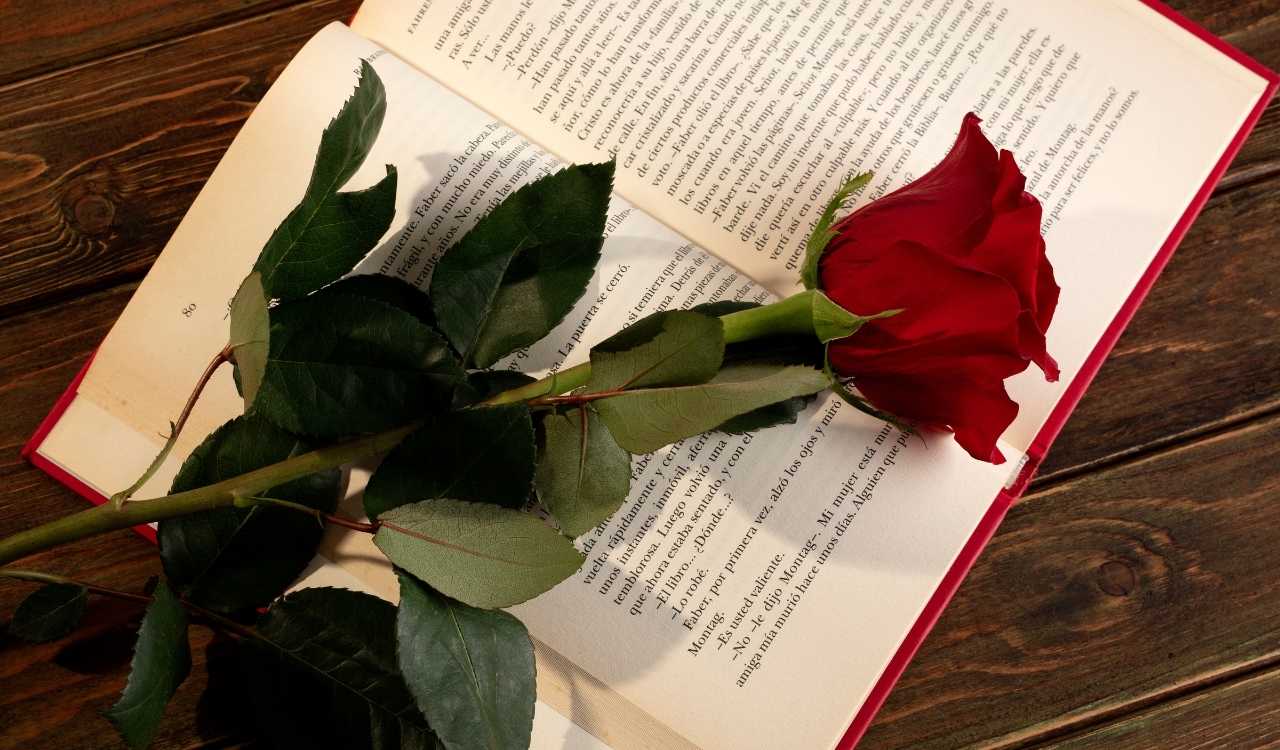
Roses have captivated humanity for centuries with their delicate petals, enchanting fragrance, and timeless beauty. But did you know that these beloved flowers also appear in the Bible, carrying profound spiritual significance? Whether you’re seeking inspiration, looking to deepen your faith, or simply curious about what scripture says about roses, you’re about to discover how these beautiful blooms connect us to divine truths. In this article, we’ll explore key Bible verses featuring roses, uncover their symbolic meanings, and learn practical ways to apply this imagery to your spiritual journey.
Understanding Roses in Biblical Context
What the Bible Actually Says About “Roses”
You might be surprised to learn that roses, as we know them today, aren’t directly mentioned in the original Bible texts. The Hebrew word “chabatstseleth” appears in scripture and is often translated as “rose” in English versions. However, biblical scholars believe this word likely refers to wildflowers like crocuses, lilies, or other beautiful blooms that grew abundantly in ancient Israel. This doesn’t diminish the spiritual significance—it actually enriches our understanding. These weren’t cultivated garden roses but wild, resilient flowers that bloomed naturally across the Holy Land, making their symbolic meaning even more powerful.
The Spiritual Symbolism of Roses in Scripture
Throughout the Bible, rose-like flowers carry profound spiritual meanings that speak directly to our faith journey. These delicate blooms represent beauty and divine creation, reminding us of God’s artistic hand in nature. They symbolize love and devotion, particularly in the Song of Solomon where romantic and spiritual love intertwine. The imagery of roses also speaks to renewal and transformation—think of desert flowers blooming after rain, representing hope in barren seasons of life. Most beautifully, roses illustrate God’s provision and care, showing how He nurtures even the smallest wildflowers with attention and grace. When we encounter rose symbolism in scripture, we’re invited to see beyond the petals and discover deeper truths about God’s character and His relationship with us.
Key Bible Verses About Roses
Let’s explore the most beautiful Bible verses that mention roses or rose-like flowers. Each verse carries special meaning that can enrich your spiritual life and deepen your connection with God’s word.
Song of Solomon 2:1 – “I Am the Rose of Sharon”
“I am the rose of Sharon, and the lily of the valleys.” – Song of Solomon 2:1 (KJV)
In this poetic love song, the beloved describes herself with humble beauty, comparing herself to a common wildflower from the Plain of Sharon. The rose of Sharon wasn’t a rare, exotic bloom but a simple flower that grew naturally across the countryside. This verse celebrates natural beauty and genuine love without pretense.
This verse reminds us that God values authentic beauty over superficial perfection. Just like the rose of Sharon blooming freely in fields, you don’t need to strive for artificial standards. Your genuine faith and character are what truly matter to God.
Isaiah 35:1-2 – The Desert Shall Blossom as the Rose
“The wilderness and the solitary place shall be glad for them; and the desert shall rejoice, and blossom as the rose. It shall blossom abundantly, and rejoice even with joy and singing.” – Isaiah 35:1-2 (KJV)
Isaiah prophesies a miraculous transformation where barren deserts burst into colourful bloom. This powerful imagery represents God’s ability to bring life, hope, and beauty to the most desolate situations. The blossoming rose symbolizes restoration and divine intervention.
When you’re going through a “desert season” in life—feeling spiritually dry, emotionally exhausted, or facing difficult circumstances—this verse offers incredible hope. God specializes in making beautiful things grow in impossible places. Your current struggles can transform into testimonies of His faithfulness.
Isaiah 35:10 – Everlasting Joy
“And the ransomed of the Lord shall return, and come to Zion with songs and everlasting joy upon their heads: they shall obtain joy and gladness, and sorrow and sighing shall flee away.” – Isaiah 35:10 (KJV)
Following the imagery of the desert blooming, this verse describes the ultimate promise of redemption and restoration. God’s people will experience lasting joy that replaces all sorrow. The transformation from wilderness to garden continues into eternal celebration.
Your difficult seasons are temporary, but God’s promises are eternal. Just as roses bloom after winter, your joy will return stronger. Hold onto hope knowing that God is leading you toward permanent restoration and everlasting gladness.
Hosea 14:5 – God’s Promise of Growth
“I will be as the dew unto Israel: he shall grow as the lily, and cast forth his roots as Lebanon.” – Hosea 14:5 (KJV)
God promises to nurture His people like morning dew nourishes flowers. Though this verse mentions lilies, it connects to the broader theme of God caring for delicate blooms. The imagery shows gentle, consistent divine provision that enables growth and stability.
God provides exactly what you need for spiritual growth, even when you don’t realise it. Like dew that silently appears overnight, His grace works quietly in your life, strengthening your roots and helping you flourish in faith.
Matthew 6:28-30 – Consider the Lilies (Flowers of the Field)
“And why take ye thought for clothing? Consider the lilies of the field, how they grow; they toil not, neither do they spin: And yet I say unto you, That even Solomon in all his glory was not arrayed like one of these.” – Matthew 6:28-29 (KJV)
Jesus uses wildflowers to teach about God’s provision and care. These simple blooms, including roses and lilies, don’t worry about their appearance yet possess stunning beauty. If God clothes temporary flowers so beautifully, He’ll certainly care for His children.
Stop worrying about your needs. God, who decorates wildflowers with intricate beauty certainly knows what you need. Trust His provision and focus on seeking His kingdom first. Your heavenly Father values you far more than the most beautiful rose.
Ecclesiastes 2:4-5 – Gardens and Beauty
“I made me great works; I built me houses; I planted me vineyards: I made me gardens and orchards, and I planted trees in them of all kinds of fruits.” – Ecclesiastes 2:4-5 (KJV)
Solomon describes creating elaborate gardens filled with beautiful plants and flowers. While exploring life’s meaning, he discovered that material accomplishments, even beautiful gardens with roses, provide only temporary satisfaction without God at the centre.
External beauty and achievements are wonderful, but they can’t fulfil your deepest spiritual needs. Appreciate God’s beautiful creation, including roses and nature, but remember that lasting joy comes from your relationship with Him, not from accumulating beautiful things.

The Rose of Sharon: Who Is It Really?
Biblical Interpretation
The “Rose of Sharon” from the Song of Solomon has sparked centuries of fascinating discussion. In the original context, the beloved woman describes herself using this humble metaphor. Sharon was a fertile coastal plain in ancient Israel where wildflowers bloomed abundantly. She wasn’t claiming to be extraordinary but rather comparing herself to a common, natural beauty found throughout the countryside. This interpretation emphasizes humility, authenticity, and the beauty of simplicity in love and devotion.
Christian Tradition
Many Christians interpret the Rose of Sharon as a prophetic symbol pointing to Jesus Christ. This view sees Song of Solomon as an allegory of Christ’s love for His church. Jesus becomes the beautiful flower bringing hope, redemption, and divine love to humanity. Hymns like “He’s the Lily of the Valley” celebrate this interpretation, describing Christ as the sweetest rose blooming in our hearts. While this isn’t the original meaning, it’s become a cherished part of Christian devotional tradition.
Symbolic Meanings
Whether understood literally or symbolically, the Rose of Sharon represents multiple beautiful truths. It embodies beauty in humility—not showy or proud but genuinely lovely. It symbolizes divine love—both romantic love between people and God’s love for His children. The image conveys accessibility—not a rare, unattainable flower but one growing naturally where people live. These layers of meaning make the Rose of Sharon one of scripture’s most beloved floral symbols.
Why This Matters for Your Faith
Understanding the Rose of Sharon enriches your spiritual perspective in practical ways. It reminds you that God values humble beauty over prideful displays. Whether you see it as the beloved’s description or Christ’s symbol, it teaches that true beauty comes from authentic love and genuine faith. Like the wildflower blooming freely, your relationship with God should be natural, not forced or artificial. Let this beautiful symbol inspire you to embrace simplicity and authenticity in your spiritual journey.

Roses and Flowers in Christian Symbolism
Red Roses: Christ’s Sacrifice and Blood
Red roses hold profound meaning in Christian tradition, symbolizing Christ’s sacrificial love and the blood He shed for humanity’s salvation. The deep crimson petals remind believers of Jesus’ passion and crucifixion. Many churches use red roses during Holy Week and Pentecost. When you see red roses, let them point you toward the ultimate act of love—Christ laying down His life. The thorns on rose stems also connect to Jesus’ crown of thorns, making the entire flower a powerful reminder of sacrificial love.
White Roses: Purity, Innocence, and the Virgin Mary
White roses represent purity, innocence, and holiness in Christian symbolism. They’re closely associated with the Virgin Mary, often called the “Mystical Rose” in Catholic tradition. White roses appear at baptisms, weddings, and Easter celebrations, symbolizing new life and spiritual cleansing. The pristine petals reflect the sinless nature of Christ and the purified hearts of believers. When you encounter white roses, remember God’s power to make you “white as snow” through forgiveness and grace.
The Thornless Rose: Mary in Catholic Tradition
Catholic tradition sometimes depicts Mary as a thornless rose, representing her conception without original sin. This unique symbol emphasises her purity and special role in salvation history. The thornless rose stands as an exception in nature, just as Mary held a unique position in God’s redemptive plan. While this symbolism is specifically Catholic, it demonstrates how rose imagery has enriched Christian devotional life across different traditions and centuries.
Roses in Church Art and Liturgy
Throughout Christian history, roses have adorned churches, illuminated manuscripts, and religious artwork. Gothic cathedrals feature stunning rose windows—circular stained glass designs resembling blooming flowers that fill sanctuaries with colourful light. Altar decorations often include roses during significant celebrations. Artists have painted roses in scenes of the Annunciation, the Nativity, and heavenly gardens. These artistic traditions help worshippers connect physical beauty with spiritual truth, using flowers as bridges between earthly and divine realms.
The Rosary Connection
The word “rosary” actually means “crown of roses” or “garland of roses.” This Catholic prayer tradition envisions each prayer as a rose offered to Mary. Praying the rosary symbolically creates a spiritual bouquet, with each Hail Mary representing a beautiful bloom. This connection between roses and prayer demonstrates how flower symbolism permeates Christian devotional practices. Even if you don’t pray the rosary, the concept beautifully illustrates how small, repeated acts of devotion create something lovely in God’s sight.
Biblical Themes Connected to Rose Imagery
Beauty and God’s Creation
Roses and flowers throughout scripture celebrate God as the ultimate artist and creator. When Jesus said, “Consider the lilies,” He directed our attention to divine craftsmanship. Psalm 19:1 declares, “The heavens declare the glory of God,” and roses join that declaration from the earth. Every petal’s design, every fragrance, every bloom cycle reflects intentional creativity. Genesis 1 shows God creating plants before humans, preparing a beautiful world for His children. When you stop to admire a rose, you’re witnessing God’s artistic signature in nature. Related verses include Psalm 104:24, Genesis 2:9, and Job 12:7-10, all celebrating the wonder of divine creation.
Love and Devotion
Rose imagery in Song of Solomon connects flowers with deep love and commitment. The book celebrates both human romance and, allegorically, God’s passionate love for His people. Just as roses symbolise love in human relationships, scripture uses floral beauty to express divine affection. 1 John 4:19 reminds us, “We love because he first loved us.” God’s love blooms first, and our devotion responds like flowers opening to sunlight. The delicate beauty of roses mirrors the tender, careful love God has for each person. Other passages like 1 John 4:7-8, Jeremiah 31:3, and Ephesians 3:17-19 explore this theme of divine love that inspires our own capacity to love authentically.
Renewal and Hope
The desert blossoming as the rose in Isaiah 35 perfectly captures God’s power to bring renewal. Roses that bloom after harsh winters demonstrate resilience and hope. Scripture repeatedly uses growth and blooming as metaphors for spiritual restoration. Romans 15:13 speaks of God filling us with hope, and 2 Corinthians 5:17 declares believers are “new creations.” Like roses pushing through difficult soil, your faith can flourish even after difficult seasons. God specialises in bringing beauty from barrenness and hope from despair. Isaiah 43:19, Lamentations 3:22-23, and Psalm 30:5 all reinforce this message of divine renewal and fresh beginnings.
Life’s Fragility and Seasons
Roses bloom beautifully but temporarily, reminding us of life’s fleeting nature. James 1:10-11 compares human life to flowers that fade, teaching humility and eternal perspective. Psalm 103:15-16 says “As for man, his days are like grass; he flourishes like a flower of the field.” Yet this fragility points us toward what’s eternal—God’s unfailing love and promises. While roses wither, God’s word “stands forever” according to Isaiah 40:8. Understanding life’s temporary nature helps us invest in what truly lasts and appreciate each beautiful moment as God’s gift. Verses like 1 Peter 1:24, Ecclesiastes 3:1-8, and Psalm 90:12 encourage us to number our days wisely and focus on eternal values.
How to Use Rose Symbolism in Your Faith
In Prayer and Meditation
Use rose imagery to deepen your prayer life and create meaningful moments with God. When praying, visualise yourself as a rose in God’s garden, receiving His nurturing care. Try praying outdoors near flowers, letting their beauty inspire worship and gratitude. You might even hold a rose while praying, letting each petal remind you of God’s blessings. Consider the rose’s growth process—from bud to full bloom—as a metaphor for your spiritual development. Ask God to help you “blossom” in faith, patience, and love. Let the rose’s fragrance remind you that your prayers are a sweet aroma to the Lord.
In Gratitude Practices
Roses can become powerful gratitude triggers in your daily routine. Each time you see a rose or flower, pause to thank God for one specific blessing. Create a “gratitude garden” journal where you note beautiful things God has created alongside blessings He’s provided. Place a rose or flower image where you’ll see it daily—on your mirror, desk, or phone background—as a reminder to appreciate God’s goodness. The vibrant colours and delicate petals demonstrate God’s attention to detail, prompting thankfulness for how He carefully attends to your needs, too.
In Times of Difficulty
When facing desert seasons, remember Isaiah’s promise of roses blooming in barren places. Keep a picture of a blooming rose as a visual reminder that God brings beauty from hardship. Write Isaiah 35:1 on a card and place it where you’ll see it during struggles. Tell yourself, “I’m in the desert now, but God will make me blossom.” Just as roses need both sunshine and storms to grow strong, your difficulties are developing spiritual resilience. Trust that your current wilderness will transform into a garden in God’s perfect timing.
In Relationships
Apply rose symbolism to cultivate love in your relationships. Just as God nurtures flowers, intentionally nurture your connections with kindness and care. Remember that roses have thorns—relationships include difficulties—but the beauty makes it worthwhile. Share flowers with loved ones as expressions of Christ’s love working through you. Use Song of Solomon’s rose imagery to appreciate the gift of romantic love as God-designed. Let roses remind you to see others through God’s eyes, recognizing the beauty He’s creating in each person’s life.
In Spiritual Journaling
Incorporate rose symbolism into your devotional journaling practice. Draw simple flowers in margins when noting prayers God has answered—visual reminders of His faithfulness blooming in your life. Write reflections using prompts like “How is God helping me bloom today?” or “What ‘desert’ am I trusting God to transform?” Create a “spiritual garden journal” tracking your growth in different areas—patience, love, faith—with flower symbols marking progress. When you feel spiritually dry, journal about roses pushing through hard ground, reminding yourself that growth is happening even when invisible.
Conclusion
Bible verses about roses and flowers reveal profound truths about God’s character and His relationship with us. From the humble Rose of Sharon to the desert blooming with flowers, these beautiful symbols teach us about divine love, provision, renewal, and hope. Whether you’re walking through a flourishing season or a desert wilderness, remember that God promises to bring beauty from every circumstance.
You Must Read About “Christian Gift Ideas for 2025“
