


St Peter’s Cross is an inverted Latin cross with strong Christian roots. It is sometimes referred to as the Petrine Cross or the Cross of Saint Peter. The upside-down cross has a totally different original meaning, even though many people today link it with negative or anti-Christian iconography. The emblem has historically stood for humility, selflessness, and dedication to Christ. The significance of St. Peter’s Cross has been warped over time by popular culture and false information, creating misunderstanding. It is easier to understand why this Christian sign has been so misinterpreted when one is aware of its background and context.
What Is St. Peter’s Cross?
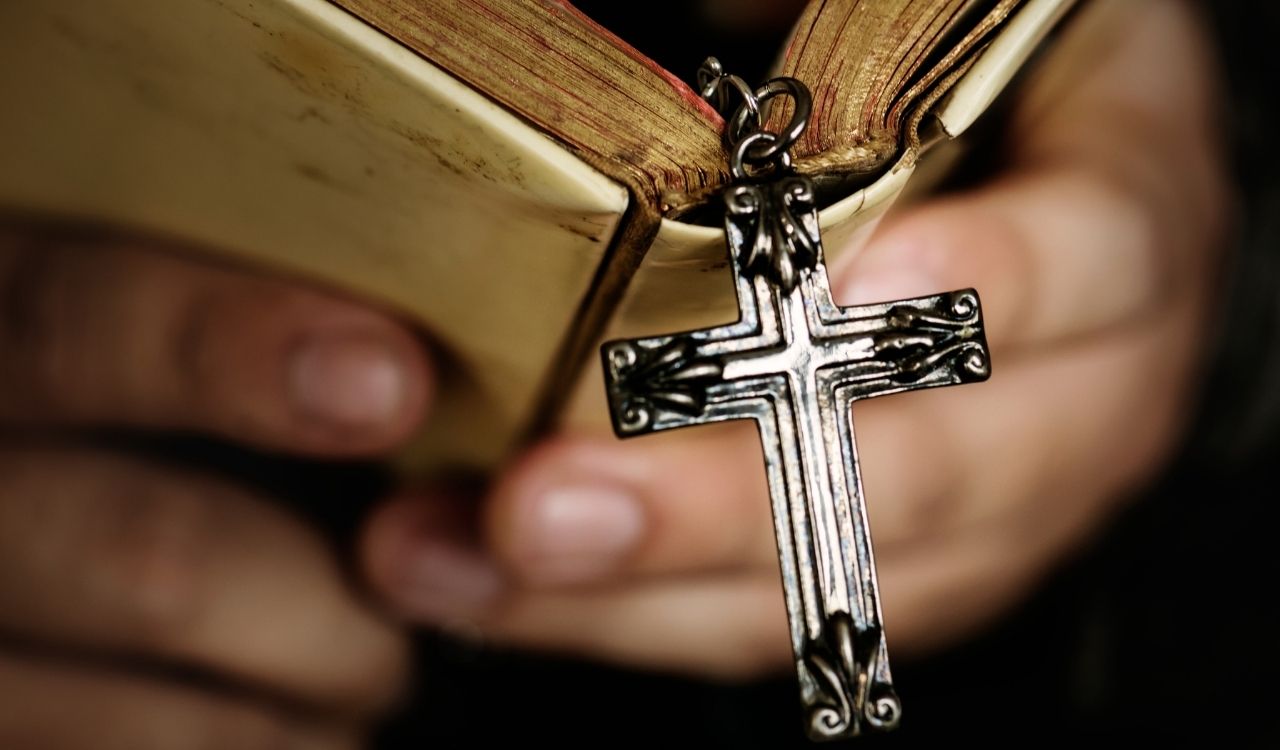
The inverted cross known as St. Peter’s Cross is customarily connected to Saint Peter, the first bishop of Rome and one of the twelve apostles. The Petrine Cross is only a Latin cross inverted, as contrasted to a crucifix, which contains the body of Christ. The Saint Peter Cross or the Cross of Saint Peter are other names for it. The inverted attitude does not represent antagonism to Christ in Christian symbolism. Rather than being an anti-Christian image, it is a significant Christian symbol since it represents Peter’s own act of humility and dedication.
Why Is It Upside Down? The Origin Story
Saint Peter was crucified upside down during the persecution of Christians in Rome, according to early Christian legend. According to reports, Peter asked for this method of death because he didn’t think he was worthy of dying in the same manner as Jesus Christ. Theologians like Origen and Jerome later cited this story, which may be found in early Christian texts like the Acts of Peter. As a result, rather than being associated with disobedience or blasphemy, the inverted cross symbolism became inextricably linked to Peter’s martyrdom, humility, and surrender to God.
The Meaning of St Peter’s Cross in Christianity
In Christianity, humility, faith, and sacrifice are central to the significance of St Peter’s Cross. It symbolizes Peter’s acceptance of Christ’s omnipotence and his readiness to bear the consequences of his convictions. The Christian principles of self-denial and discipleship are reflected in the Petrine Cross, which is by no means a negative symbol. It reminds many believers that genuine faith is characterized by humility rather than self-glorification. The inverted Christian cross in Christian theology emphasizes Peter’s position as a loyal disciple rather than a competitor to Christ.
St Peter’s Cross in Catholic Tradition and Papal Symbolism
Because the Pope is seen as the successor to Saint Peter, the St. Peter’s Cross and the Papacy are closely associated in Catholic tradition. The emblem is used in Catholic imagery to highlight Peter’s leadership in the early Church and apostolic succession. The meaning of the Petrine Cross is widely recognized in Catholic theology, even though it is not always clearly visible. It highlights Peter’s humility while reiterating his leadership role—a balance that remains fundamental to Catholic doctrines regarding spiritual authority.
St. Peter’s Cross in Heraldry and Official Emblems
Additionally, the St Peter’s Cross can be seen in ecclesiastical heraldry, especially in symbols connected to Vatican City and the Holy See. It is occasionally combined with another sign associated with Saint Peter’s power, the Keys of Heaven. The inverted cross is not intended to startle or provoke in heraldic circumstances. Rather, it is a visual allusion to Peter’s Christian leadership and suffering. It is easier to distinguish historical symbolism from contemporary misunderstandings when one is aware of this usage.

Is the Upside-Down Cross Satanic?
Whether the upside-down cross is demonic is one of the most often asked questions. In the past, the answer was no. The inverted cross notably alludes to St Peter’s Cross in Christian contexts. The connection to Satanism developed much later, mostly as a result of pop culture aesthetics, heavy metal iconography, and horror movies. The historical relevance is sometimes overlooked in these contemporary interpretations. Even while some groups now purposefully utilize inverted crosses as anti-Christian emblems, this does not change the meaning of the original Christian inverted cross.
Inverted Cross vs Inverted Crucifix (The Detail People Miss)
The distinction between an inverted cross and an inverted crucifix is a crucial one that is frequently missed. A crucifix contains the body of Christ, whereas a cross only has the structure. Traditionally, the Petrine Cross is an inverted cross devoid of a corpus. When utilized provocatively, an inverted crucifix might convey a whole different message. When interpreting symbolism, this distinction is essential since conflating the two can lead to misunderstandings regarding St. Peter’s Cross symbolism.
Petrine Cross vs Papal Cross (Not the Same Symbol)
Although they are not the same, the Petrine Cross and the Papal Cross are occasionally mistaken. The Papal Cross, which symbolizes the authority of the Pope, usually has three horizontal bars. The Cross of Saint Peter, on the other hand, is a single inverted Latin cross that represents humility and martyrdom. Knowing this distinction helps explain why the inverted cross does not always indicate resistance to Christianity and helps avoid making false assumptions about Catholic imagery.
Iconography and Context Guide: How to Interpret the Symbol Correctly
When interpreting any sign, but particularly the meaning of the upside-down cross, context is crucial. Find out if the symbol may be found in a historical document, a church, or popular culture. Think of complementary images, such as occult or religious elements. The St. Peter’s Cross is nearly always a symbol of devotion in Christian art and architecture. On the other hand, shock-based media may purposefully employ inversion to provoke. Meaning is determined by context, not only orientation.
Common Misuses and Internet Myths (And How to Respond)
Online fallacies frequently assert that all inverted crosses are wicked or that the Pope employs diabolical symbols. These assertions disregard Christian tradition and historical data. Explaining that Saint Peter was crucified upside down and that the symbol predates contemporary occult usage is a straightforward response. Calmly correcting false information promotes civil discourse and stops false stories about Christian symbols from spreading.
Can Christians Wear or Display an Inverted Cross?
Many people are curious about whether Christians can still wear or show the St. Peter’s Cross. Context and intent determine the response. The Petrine Cross can have significance when worn as a symbol of religion or historical consciousness. However, some Christians decide to clarify its meaning or stay away from it in public because contemporary audiences might misinterpret it. While respecting the original intent of the symbol, awareness and clarity help avoid misunderstandings.
Modern Culture and Aesthetics: Why the Confusion Persisted
The 20th century saw a shift in the perception of the inverted cross due to the emergence of music subcultures, horror movies, and rebellious fashion. It became a graphic acronym for shock or anti-religious feeling, detached from its Christian origins. The real significance of St. Peter’s Cross is frequently obscured today, which can be explained by this cultural shift. It is easier to distinguish historical symbolism from contemporary reinterpretations when this progression is acknowledged.
Conclusion
One of the most misinterpreted symbols in Christianity is the St. Peter’s Cross, often known as the Petrine Cross. Its inverted cross iconography, based on Saint Peter’s martyrdom, conveys humility, sacrifice, and faith, rather than being anti-Christian. We can transcend contemporary misconceptions and recognize the sign for what it truly represents by understanding its background, context, and actual meaning.
You Must Read About “THE BLESSING LYRICS BIBLE VERSE“
